Skiffle first appeared as an African-American term in Chicago in the 1920s. It was used to describe various Country Blues and early Jazz-influenced music, mainly the southern Jug Bands of the time, who utilised instrumental line-ups of jugs, washboards, washtub bass, cigar-box fiddle, banjo, acoustic guitar, musical saw and comb-and-paper kazoos. Records by artists such as Jimmy O'Bryant, Ma Rainey and Cannon's Jug Stompers were sometimes known by the label.
Lire la suite
Skiffle first appeared as an African-American term in Chicago in the 1920s. It was used to describe various Country Blues and early Jazz-influenced music, mainly the southern Jug Bands of the time, who utilised instrumental line-ups of jugs, washboards, washtub bass, cigar-box fiddle, banjo, acoustic guitar, musical saw and comb-and-paper kazoos. Records by artists such as Jimmy O'Bryant, Ma Rainey and Cannon's Jug Stompers were sometimes known by the label. However, skiffle arguably only developed into a specific, stand-alone musical style in the mid-1950s with the British 'skiffle revival' emulating the original jug bands. This popularized post-WWII skiffle was born out of British Dixieland trad jazz and spearheaded by Lonnie Donegan.
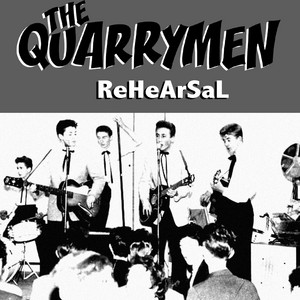
Alongside the reinvention of its origins, the definitive skiffle sound also drew similarities with contemporary styles of Country and the emerging Rock & Roll boom, most notably Rockabilly. Skiffle in turn was a huge influence on the wave of British rock & roll in the late 1950s and the development of Beat Music, British Blues and the British folk revival the following decade. It provided music industry beginnings for many musicians who would find much success and fame in the 1960s, for example, John Lennon, Paul McCartney, Mick Jagger, Roger Daltrey, Jimmy Page, Alexis Korner and Martin Carthy. American Folk Music and trad jazz standards were played on the original homemade and new, improvised instruments, with self-penned and traditional material originally recorded by folk blues artists such as Lead Belly and Woody Guthrie in the 1930s and '40s becoming commonplace. Donegan (who shot to fame with the help of Chris Barber) released a string of singles, including landmark versions of Leadbelly's “Rock Island Line” and “Bring a Little Water, Sylvie”, showcasing skiffle’s trademark shuffling beat and quickly-strummed acoustic guitar, coupled with an energetic, equally quickly-sung vocal style. Often, spoken narrative vocal sections were interspersed with the free-flowing, quickfire singing and heavily repeated chorus phrases. Sometimes a song began relatively quietly and mid-tempo and gradually picked up pace, energy and intensity until the climax.
Aside from Donegan, successful skiffle groups were led by Chas McDevitt, Ken Colyer and Lorrae Desmond, as well as The Vipers, in the mid-to-late 1950s. Some of the original skiffle artists (and subsequent newer revival groups) kept the genre alive after this period: Donegan played skiffle until his death in 2002 and McDevitt stills performs today